

Enhancing Wood Balcony Safety for Your Home: Balcony Safety Tips

Updated: Aug 27
When it comes to our homes, safety is always a top priority. Balconies add charm and extra living space, but they also come with risks if not properly maintained. Wood balconies, in particular, require special attention to ensure they remain safe and sturdy over time. Today, we will explore practical ways to enhance the safety of your wood balcony, helping you protect your home and loved ones.
Why Balcony Safety Tips Matter
Balconies are exposed to the elements, which can cause wear and tear. In East London, South Africa, weather conditions like rain and sun can accelerate the deterioration of wood. This makes regular inspections and maintenance essential. A weak or damaged balcony can lead to accidents, which we want to avoid at all costs.
By following simple balcony safety tips, we can extend the life of our wood balconies and keep them secure. This not only protects our investment but also gives us peace of mind when enjoying outdoor spaces.
Key Balcony Safety Tips for Wood Structures
Let’s dive into some actionable tips that will help you maintain a safe wood balcony:
1. Regular Inspections
Start by inspecting your balcony at least twice a year. Look for signs of:
Rotting wood
Loose or missing nails and screws
Cracks or splits in the wood
Rust on metal fasteners
Wobbly railings or floorboards
If you spot any of these issues, address them immediately. Small problems can quickly become dangerous if ignored.
2. Proper Cleaning and Sealing
Dirt, leaves, and moisture can cause wood to decay faster. Clean your balcony regularly using a broom or a gentle power wash. After cleaning, apply a high-quality wood sealant or stain designed for outdoor use. This will protect the wood from moisture and UV damage.
3. Reinforce Structural Components
Check the support beams and joists under the balcony. These are critical for holding the weight of the structure. If you notice any sagging or damage, consult a professional to reinforce or replace these parts.
4. Maintain Railings and Balusters
Railings are essential for preventing falls. Ensure they are firmly attached and at the correct height (usually around 1 meter). Balusters should be spaced closely enough to prevent children or pets from slipping through.
5. Use Quality Materials for Repairs
When making repairs, use treated wood and corrosion-resistant fasteners. This will help your balcony withstand the local climate better and last longer.

How Professional Inspections Can Help
While DIY maintenance is important, professional inspections provide a thorough assessment of your balcony’s condition. Experts can spot hidden issues that might be missed during casual checks. They use specialized tools to test wood strength and structural integrity.
In East London, where weather can be harsh, having a professional inspect your balcony annually is a smart move. This service can save you money in the long run by preventing costly repairs or accidents.
Practical Steps to Improve Balcony Safety Today
You don’t have to wait for a professional inspection to start improving your balcony’s safety. Here are some steps you can take right now:
Tighten loose screws and nails: Use a screwdriver or drill to secure any loose fasteners.
Replace damaged boards: Swap out any wood that shows signs of rot or cracking.
Apply non-slip coatings: Especially if your balcony gets wet often, non-slip paint or mats can prevent slips and falls.
Clear debris regularly: Remove leaves, dirt, and other debris that trap moisture.
Check drainage: Ensure water drains away from the balcony to avoid pooling.
These simple actions can make a big difference in keeping your balcony safe and enjoyable.
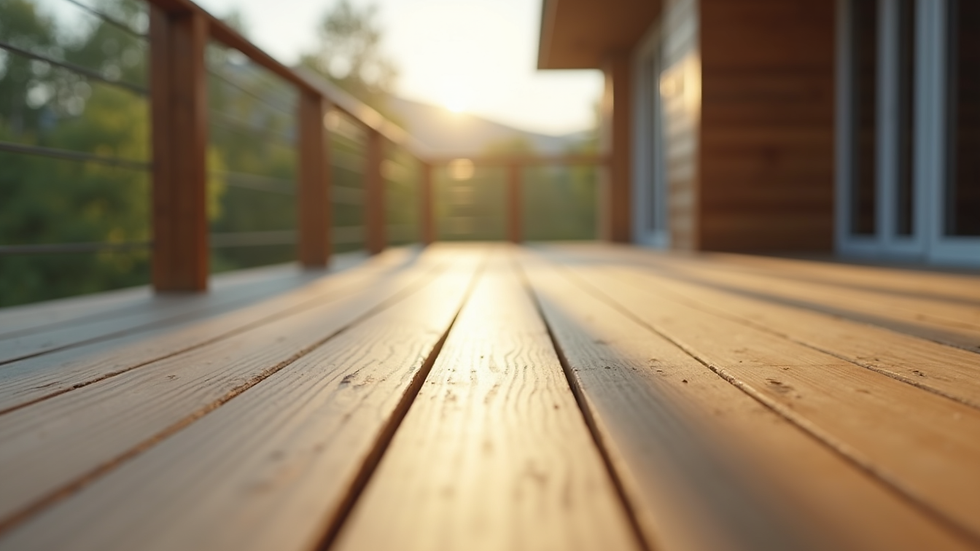
Staying Ahead with Ongoing Maintenance
Safety is not a one-time effort. It requires ongoing attention. Set reminders to inspect and maintain your balcony every few months. Keep a checklist of what to look for and what repairs have been done.
Also, consider the weight limits of your balcony. Avoid overcrowding it with heavy furniture or too many people at once. This helps prevent structural stress.
For those interested in learning more about wood balcony safety, professional resources and guides are available. They offer detailed advice tailored to local conditions and building codes.
Protecting Your Home and Loved Ones
Ultimately, enhancing your wood balcony’s safety is about protecting what matters most. A well-maintained balcony adds value to your home and provides a safe space to relax and entertain. By following these balcony safety tips, we can enjoy our outdoor areas with confidence.
Remember, safety starts with awareness and action. Don’t wait for problems to arise. Take proactive steps today to ensure your wood balcony remains a secure and beautiful part of your home for years to come.


Comments